

Faculty practice provides faculty members with the opportunity to be engaged in their area of expertise. As leaders of exemplary, innovative, and culturally proficient faculty engagement, faculty members fulfill the mission of the UA Capstone College of Nursing’s Faculty Practice Committee. The Faculty Practice Committee strives to increase the visibility of the school of nursing by spotlighting the practice of faculty members as they practice in community agencies. Practice sites are diverse and represent the expertise and background preparation of faculty engaged in faculty practice. Faculty “spotlights” are updated multiple times annually to showcase the exceptional work of faculty practice members. Be sure to return to this webpage in the future to learn about the practice of other faculty members!
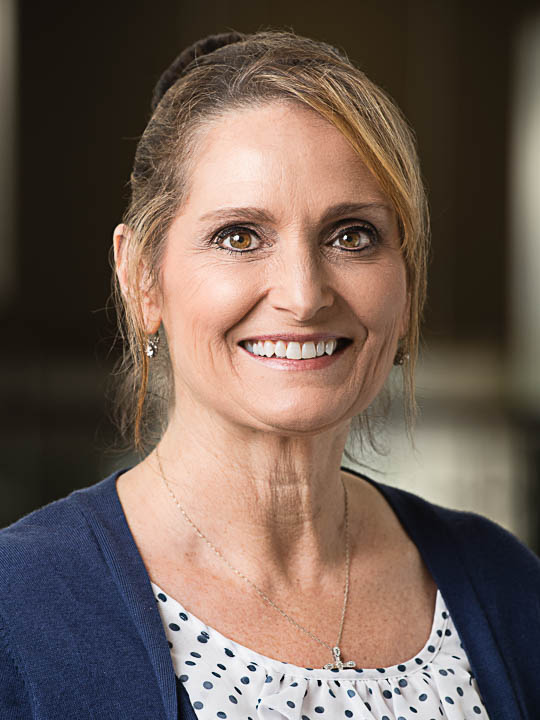
Kerri L. Outlaw, DNP, PMHNP-BC, CNS, RN
I am an Associate Professor and the Psychiatric Mental Health Nurse Practitioner Concentration Coordinator at the Capstone College of Nursing. In this role, I teach and mentor graduate nursing students, coordinate the PMHNP curriculum, support clinical placements, and help prepare students to become safe, compassionate, and evidence-based psychiatric providers. I also contribute to curriculum development, program evaluation, accreditation activities, faculty service, and initiatives that promote student success.
My faculty practice with BRAVO Vets and COMPASS allows me to provide psychiatric care while collaborating with an interdisciplinary team serving individuals with complex behavioral health needs. A significant focus of this work is recognizing the relationship between mental health symptoms, substance use, trauma, and traumatic brain injury. This practice also creates an important connection between my clinical work, teaching, scholarship, and service.
I serve adults with a wide range of psychiatric and behavioral health concerns, including depression, anxiety, post-traumatic stress disorder, substance use disorders, and symptoms associated with traumatic brain injury. Many of the individuals we serve are veterans or have experienced military service, trauma, or other significant life events. These patients may present with overlapping cognitive, emotional, behavioral, and physical symptoms, making comprehensive and individualized assessment especially important.
A typical day includes completing comprehensive psychiatric evaluations, reviewing medical and behavioral health histories, assessing safety concerns, clarifying diagnoses, and developing individualized treatment recommendations. I may also review screening results, laboratory findings, medications, previous records, and information provided by family members or caregivers. Collaboration is a major part of the day, particularly when a patient’s symptoms involve a combination of psychiatric concerns, substance use, trauma, cognitive changes, and possible traumatic brain injury.
I incorporate evidence-based research by using current clinical guidelines, validated screening instruments, peer-reviewed literature, and accepted standards of psychiatric practice to guide assessment and treatment decisions. I also consider the strength of the evidence, the patient’s clinical presentation, personal preferences, treatment history, culture, support system, and access to care. Because symptoms of traumatic brain injury, PTSD, depression, anxiety, and substance use may overlap, I continually review emerging evidence to strengthen differential diagnosis and avoid attributing every symptom to a single condition.
My professional interests include improving the recognition of traumatic brain injury in behavioral health settings, particularly among veterans and individuals with histories of trauma or substance use. I am also interested in suicide prevention, comprehensive psychiatric assessment, diagnostic reasoning, geriatric mental health, trauma-informed care, and improving coordination among psychiatric, neurological, and primary care services. Another important interest is translating clinical experiences into meaningful learning opportunities for future PMHNPs.
My future plans include continuing to strengthen the integration of clinical practice, education, and scholarship. I hope to contribute to the development of more consistent approaches for identifying possible traumatic brain injury in behavioral health settings and to provide education that helps clinicians recognize when psychiatric symptoms may be connected to an unrecognized head injury. I am also interested in developing evidence-based resources, presentations, and quality-improvement initiatives that support earlier recognition, appropriate referral, interdisciplinary collaboration, and improved patient outcomes.
Over the last several years, I have seen increased awareness of the complex relationship among trauma, traumatic brain injury, substance use, suicide risk, and mental health. There is also greater recognition that many patients have overlapping conditions rather than one isolated diagnosis. Telepsychiatry, digital screening tools, collaborative care, and measurement-based treatment have expanded access and changed how psychiatric services are delivered. At the same time, the growing demand for mental health care has highlighted continuing challenges related to workforce shortages, rural access, fragmented services, and the need for more trauma-informed and person-centered care.
My faculty practice supports the missions of the Faculty Practice Committee and the Capstone College of Nursing by connecting education, clinical practice, scholarship, and service. Remaining actively engaged in clinical care helps me bring current patient needs, emerging evidence, and real-world practice challenges into the classroom. It also creates opportunities for interdisciplinary collaboration, quality improvement, professional leadership, and scholarship. Most importantly, the practice supports CCN’s commitment to preparing knowledgeable and compassionate nurses while improving the health and well-being of individuals, families, veterans, and communities.